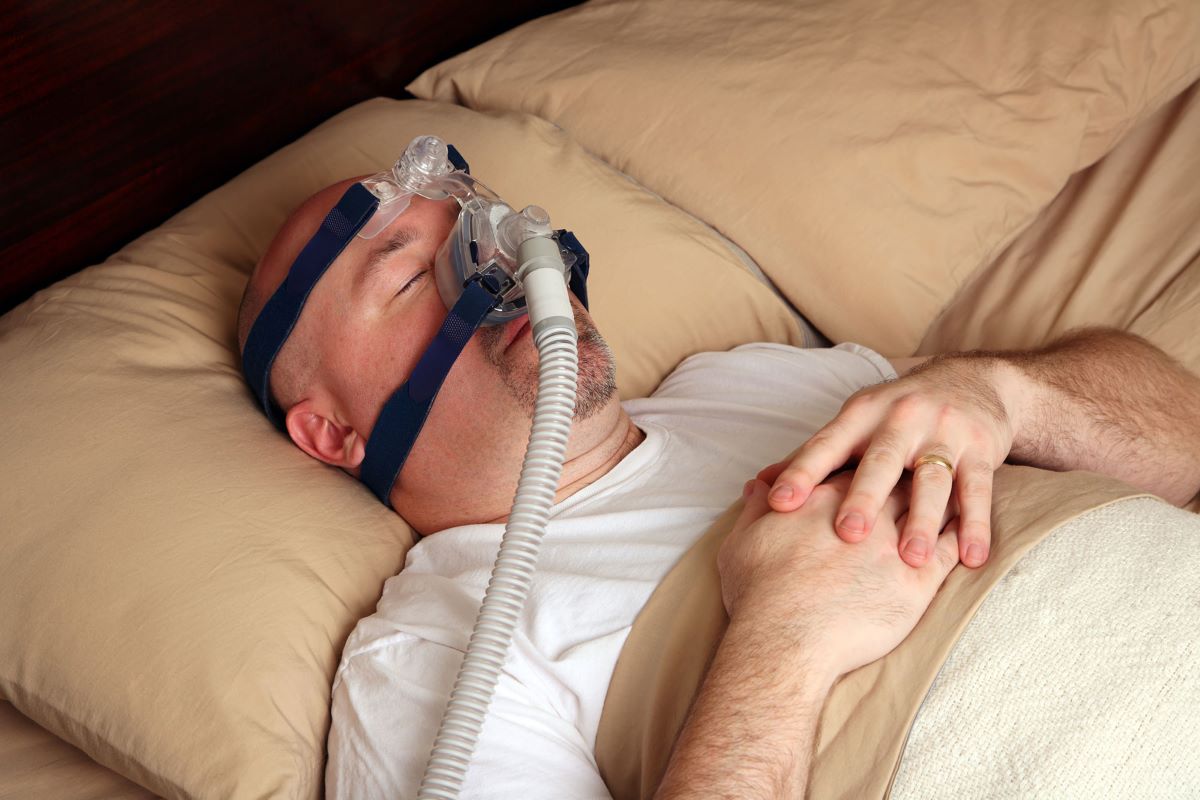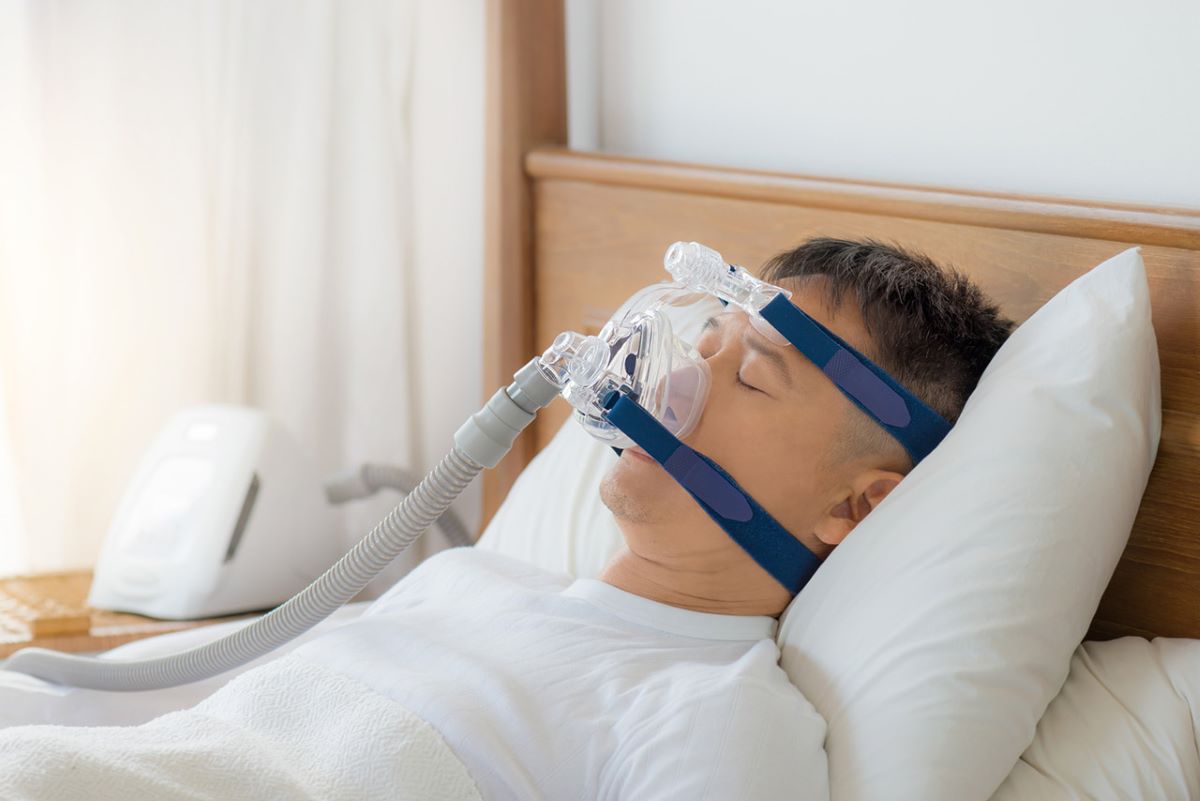
Sleep disorders affect thousands of Australians, yet the cost of diagnosis often creates a significant barrier to treatment. A bulk-bill sleep apnea test Sydney clinics offer eliminates out-of-pocket expenses for eligible patients, making professional sleep disorder diagnosis accessible to those who need it most.
Bulk billing means Medicare covers the full cost of the sleep study, with no payment required from the patient at the time of service. This arrangement proves particularly valuable for diagnosing conditions like obstructive sleep apnea (OSA), where early detection through a sleep apnea test Sydney can prevent serious health complications including cardiovascular disease, diabetes, and chronic fatigue.
Sydney’s network of specialized sleep clinics and respiratory centers has expanded access to these Medicare-funded studies through both in-clinic and home-based testing options. These facilities employ accredited sleep specialists who analyze overnight monitoring data and provide comprehensive reports to referring doctors.
The availability of affordable sleep study options through bulk billing addresses a critical gap in preventative healthcare. Many patients experiencing symptoms such as loud snoring, daytime exhaustion, or breathing interruptions during sleep can now pursue diagnosis without financial strain. Sydney clinics supporting this model play an essential role in community health by removing economic barriers that previously prevented individuals from seeking help for potentially life-threatening sleep disorders.
What Is a Bulk-Bill Sleep Study and How Does It Work?
Bulk billing for sleep studies means patients pay nothing out-of-pocket because the clinic bills Medicare directly for the service. This arrangement eliminates upfront costs, making sleep disorder diagnosis accessible to anyone with a valid Medicare card who meets the clinical criteria.
Understanding the Bulk-Bill Definition in Sleep Medicine
The bulk-bill definition in healthcare refers to a payment arrangement where medical providers accept Medicare’s scheduled fee as full payment for their services. Patients don’t receive an invoice or need to claim reimbursements. For sleep studies, this means the diagnostic process—from equipment provision to specialist analysis—is covered entirely by Medicare without any gap payments. The clinic handles all billing administration, removing financial barriers that might otherwise prevent people from seeking diagnosis for conditions like obstructive sleep apnea.
How Medicare Sleep Study Funding Works
Medicare allocates funding for one home-based sleep study per person annually under specific item numbers. The government recognizes sleep disorders as significant health concerns affecting cardiovascular health, mental wellbeing, and workplace safety. By funding these diagnostic tests, Medicare enables early detection and treatment intervention. The scheme covers:
- Equipment provision and setup instructions
- Overnight data collection using approved monitoring devices
- Analysis by accredited respiratory and sleep specialists
- Comprehensive diagnostic reports sent to referring doctors
This funding structure ensures patients can access professional sleep assessment without financial strain, particularly important given that many sleep disorder sufferers remain undiagnosed due to cost concerns.
In-Clinic Sleep Study Procedures
In-clinic bulk-bill sleep studies take place at specialized sleep centers equipped with monitoring rooms. Patients arrive in the evening and spend the night in a private room designed to resemble a comfortable bedroom environment. Sleep technologists attach sensors to monitor:
- Brain wave activity (EEG)
- Eye movements
- Muscle tone
- Heart rate and rhythm
- Breathing patterns and airflow
- Blood oxygen levels
- Body position during sleep
The equipment records continuous data throughout the night while patients sleep naturally. Technologists monitor the study remotely, ensuring equipment functions properly and can respond if patients need assistance. These comprehensive assessments capture detailed physiological information, making them particularly valuable for complex cases or when multiple sleep disorders are suspected.
Home-Based Sleep Study Procedures
Home-based bulk-bill sleep studies offer convenience by allowing patients to undergo testing in their own homes while still receiving Medicare coverage.
Eligibility Criteria for Home-Based Sleep Studies
To qualify for a home-based sleep study under bulk billing provisions, patients typically need:
- A referral from a general practitioner (GP) or specialist indicating suspicion of obstructive sleep apnea (OSA) or other relevant sleep disorders
- An assessment confirming suitability for home testing based on factors such as age, body mass index (BMI), medical history, and absence of significant comorbidities
- Availability of approved monitoring devices that meet specific standards set by Medicare
Process Involved in Home-Based Sleep Studies
Once eligibility is established, the following steps are usually involved in conducting a home-based bulk-bill sleep study:
- Provision of equipment: Patients receive portable monitoring devices including wrist-worn actigraphy monitors or polysomnography systems delivered directly to their homes.
- Setup instructions: Clear guidelines on how to properly wear/use each device will be provided either through face-to-face consultations or video calls.
- Data collection: Patients wear the monitoring devices overnight according to instructions while going about their usual sleeping routines.
- Remote monitoring: Technologists may remotely monitor data transmission during the study period ensuring optimal device functioning.
- Analysis: Accredited specialists review recorded data from both polysomnography and actigraphy assessments generating comprehensive reports outlining findings related to OSA severity if applicable.
By offering this flexibility within its funding framework, Medicare aims at improving accessibility towards timely diagnosis especially among individuals who may find it challenging attending traditional clinic-based appointments due logistical reasons such traveling distances etc., thus ultimately facilitating better management strategies being implemented earlier on into these populations at risk!
Who Is Eligible for a Bulk-Bill Sleep Study in Sydney?
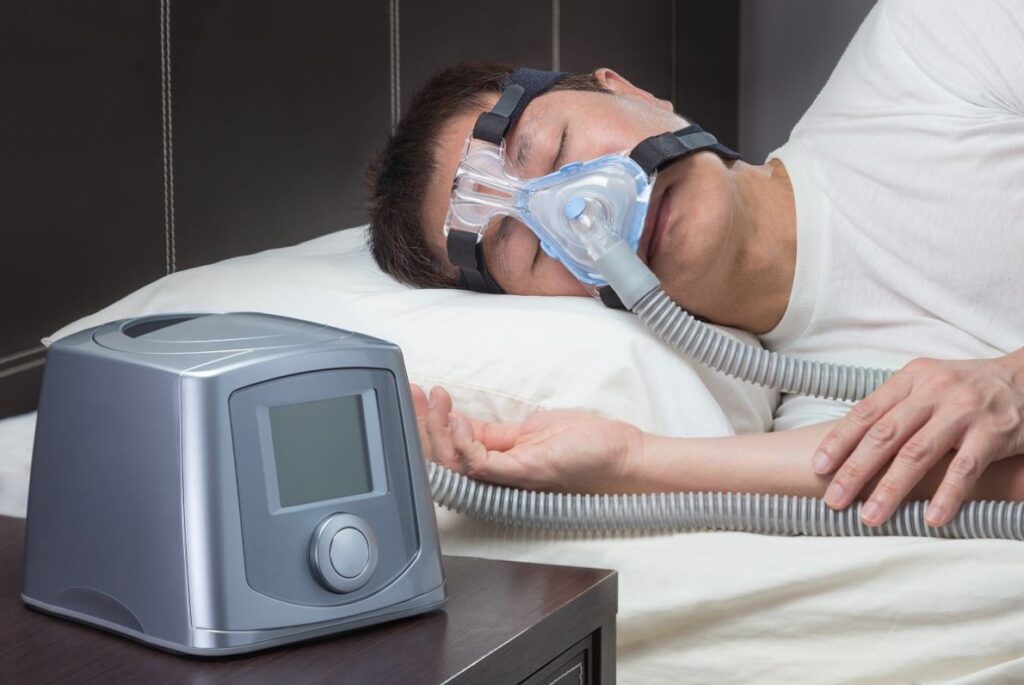
Eligibility for a bulk-bill sleep study in Sydney depends on meeting specific medical and administrative requirements. Patients must demonstrate symptoms consistent with moderate to severe obstructive sleep apnea (OSA) and achieve qualifying scores on standardized assessment tools. The Medicare card requirements form the foundation of access to these government-funded services.
Medical Criteria and Symptom Assessment
The eligibility criteria bulk-bill services require revolve around documented sleep disorder symptoms. Patients need to present with signs such as loud snoring, witnessed breathing pauses during sleep, excessive daytime sleepiness, morning headaches, or difficulty concentrating. These symptoms must be significant enough to warrant medical investigation rather than occasional sleep disturbances.
Healthcare providers use three primary assessment tools to evaluate OSA symptoms assessment:
Epworth Sleepiness Scale (ESS): Patients must score 8 or higher on this questionnaire, which measures daytime sleepiness across eight common situations. A score of 8 indicates moderate sleepiness that impacts daily functioning.
STOP BANG Questionnaire: This screening tool evaluates eight risk factors for sleep apnea. Patients typically need a score of 3 or higher to qualify, indicating moderate to high risk of OSA.
OSA-50 Assessment: Similar to STOP BANG, this tool requires a threshold score (commonly 3 or above) to demonstrate sufficient symptom severity for Medicare-funded testing.
Medicare Card and Administrative Requirements
Holding a valid Medicare card represents a non-negotiable requirement for accessing bulk-billed sleep studies. The card confirms eligibility for Australia’s public health insurance scheme, which funds these diagnostic services. Patients should verify their Medicare details remain current before seeking referrals.
Time-Based Restrictions
Medicare imposes a 12-month waiting period between funded sleep studies. Patients who received a Medicare-covered sleep study within the past year cannot access another bulk-billed test until this period expires. This restriction applies even when symptoms worsen or new concerns emerge.
The limitation exists to manage healthcare resources efficiently. Patients requiring repeat testing within 12 months may need to consider private payment options or demonstrate exceptional clinical circumstances that justify an earlier study.
See Also : A Clear Breakdown of Sydney Sleep Study Cost and the Factors That Influence Pricing
How Can Patients Obtain a Referral for a Bulk-Bill Sleep Study?
Patients need a doctor referral sleep study from either their general practitioner or a respiratory/sleep specialist to access bulk-billed services. The general practitioner referral process begins with scheduling an appointment to discuss sleep-related concerns, while those already under specialist care can request referrals during routine consultations.
Starting the Referral Process with Your GP
Your GP serves as the primary gateway to accessing a bulk-bill sleep study in Sydney. During the consultation, explain your sleep symptoms in specific detail, including how often you experience them and their impact on daily functioning. Many doctors will ask you to complete standardized questionnaires like the Epworth Sleepiness Scale or STOP BANG assessment during the visit.
What Documentation Strengthens Your Referral
A strong referral includes documented evidence of your symptoms and assessment scores. Keep a sleep diary for at least two weeks before your appointment, recording:
- Instances of witnessed breathing pauses during sleep
- Frequency of nighttime awakenings
- Morning headaches or dry mouth upon waking
- Daytime fatigue levels and their impact on work or driving
Your healthcare provider should include these observations alongside your assessment scores in the referral letter. This documentation significantly increases approval chances for bulk-billing eligibility.
Communicating Effectively with Healthcare Providers
Be direct about symptoms that concern you most. Instead of saying “I’m tired,” describe concrete examples: “I’ve fallen asleep at red lights twice this month” or “My partner records me stopping breathing 10-15 times per night.” Quantifiable details help doctors understand severity.
Ask your provider to include specific information in the referral:
- Your ESS score and date of assessment
- STOP BANG or OSA-50 questionnaire results
- Duration and progression of symptoms
- Any relevant medical history (hypertension, diabetes, cardiovascular conditions)
When to Seek a Respiratory Specialist Referral
Some patients benefit from seeing a respiratory specialist referral directly, particularly those with complex medical histories or previous inconclusive sleep assessments. Your GP can provide a referral to a specialist who can then authorize the sleep study, though this adds an extra step to the process. Specialists may identify additional
What Are the Steps to Book and Complete a Bulk-Bill Sleep Study in Sydney Clinics?
Booking a bulk-bill sleep study at Sydney clinics starts with identifying those that accept Medicare-funded referrals. Patients can search online for specialized sleep centers and CPAP clinics in their vicinity, checking clinic websites for explicit mention of bulk-billing services. Many clinics prominently display their Medicare participation status on their homepage or services page.
Finding and Selecting Participating Clinics
The selection process involves ensuring that clinics meet specific criteria. Patients should confirm that the clinic employs accredited respiratory and sleep specialists who can analyze study results. Checking online reviews and asking for recommendations from the referring GP helps narrow down options. Some clinics specialize in home-based studies, while others offer in-clinic overnight monitoring, so patients can choose based on personal preference and comfort level.
Navigating the Booking Process
Once a suitable clinic is identified, the booking procedure typically starts with submitting the referral form. Many Sydney clinics now offer online consultation portals where patients can:
- Upload their GP or specialist referral directly
- Complete pre-assessment questionnaires digitally
- Schedule appointments without phone calls
- Receive confirmation and instructions via email
Some clinics require an initial consultation (virtual or in-person) to review symptoms and confirm eligibility before scheduling the actual study. During this consultation, staff verify Medicare details and explain the specific type of study recommended based on the referral.
Understanding the Overnight Monitoring Process
For home-based studies, clinics provide an overnight monitoring device that patients collect or receive via courier. The device typically includes sensors that track breathing patterns, oxygen levels, heart rate, and body position throughout sleep. Instructions for proper placement are straightforward, with many clinics offering video tutorials or phone support.
Patients wear the device for one full night of sleep in their own bed. The equipment automatically records data, which patients return to the clinic the following day. Accredited specialists then analyze the collected information over several days, examining:
- Apnea-hypopnea index (AHI) scores
- Oxygen desaturation events
- Sleep position patterns
- Breathing irregularities
Results are compiled into a comprehensive report sent to the referring doctor, usually within a week.
It’s important to remember that these bulk-bill sleep studies not only help diagnose sleep disorders but also play a crucial role in treating sleep disorders effectively by providing detailed insights into a patient’s sleep patterns and health conditions.
What Happens After the Sleep Study Results Are Available?
Once the overnight monitoring concludes, an accredited respiratory and sleep specialist analyzes the collected data within 7-14 business days. The specialist examines multiple parameters including breathing patterns, oxygen levels, heart rate, and sleep architecture to determine the presence and severity of sleep disorders. Your referring doctor receives a comprehensive report detailing these findings, which forms the basis for your treatment plan.
How Are Sleep Study Results Interpreted?
The sleep study results interpretation focuses on the Apnea-Hypopnea Index (AHI), which measures the number of breathing interruptions per hour of sleep. An AHI of 5-15 indicates mild OSA, 15-30 represents moderate OSA, and above 30 signifies severe OSA. The specialist also evaluates oxygen desaturation levels, sleep efficiency, and the percentage of time spent in different sleep stages. These metrics help determine whether treatment is necessary and which approach would be most effective for your specific condition.
Your referring doctor will schedule a follow-up appointment to discuss the findings in detail. During this consultation, they explain what the numbers mean for your health and present evidence-based treatment recommendations tailored to your diagnosis severity and lifestyle factors.
What Treatment Options Are Available for OSA?
CPAP therapy consultation represents the gold standard treatment for moderate to severe OSA. This therapy involves wearing a mask connected to a machine that delivers continuous positive airway pressure, keeping airways open throughout the night. Many Sydney clinics offering bulk-bill sleep studies also provide:
- CPAP machine trials and fittings at no additional cost under Medicare
- Education sessions on proper mask fitting and device maintenance
- Access to various mask styles to ensure comfort and compliance
- Adjustment of pressure settings based on initial response
For mild cases, doctors may recommend lifestyle modifications such as:
- Weight loss programs targeting a 10% reduction in body weight
- Positional therapy to avoid sleeping on the back
- Dental devices that reposition the jaw during sleep
- Treatment of nasal congestion or allergies
What Follow-Up Care Can Patients Expect?
Clinics typically schedule a review appointment 4-6 weeks after starting CPAP therapy to assess treatment effectiveness and address any compliance issues. During this visit, specialists download data from the CPAP machine to evaluate usage patterns and make necessary adjustments to optimize therapy outcomes.
What Are the Options If Patients Can’t Use Bulk-Billing?
Patients who don’t qualify for Medicare can still get level 2 or level 3 sleep studies by paying privately. Many clinics in Sydney offer these studies at lower prices compared to regular private fees, making them more affordable than fully paying for private tests. Level 2 studies involve extensive monitoring in a lab similar to bulk-billed options, while level 3 studies use portable devices at home with slightly less detailed data collection.
How Much Do Sleep Studies Cost in Sydney?
The cost of sleep studies at Sydney clinics that aren’t covered by insurance usually falls within the following range:
- Level 3 home studies: $200 to $600
- Level 2 in-clinic assessments: $800 to $1,500
These fees often include the rental of equipment, analysis by a specialist, and consultation of results. Some clinics also offer payment plans or package deals that combine the study with initial CPAP equipment if treatment is needed.
Factors to Consider When Choosing Paid Services
Patients should think about several things when deciding on paid services:
- Severity of symptoms: If someone has severe daytime sleepiness, frequent breathing pauses witnessed by partners, or heart problems, they may need an immediate diagnosis instead of waiting up to 12 months for Medicare eligibility to reset.
- Financial situation: It’s important to consider the upfront cost compared to potential health risks and improvements in quality of life during the waiting period.
- Insurance coverage: Some private health insurance policies provide partial refunds for sleep studies, which can lower the amount patients have to pay out-of-pocket.
- Urgency of treatment: Untreated sleep apnea can make existing conditions like high blood pressure or diabetes worse, leading to higher medical costs later on.
Patients can also improve their chances of qualifying for Medicare by working with their GP to keep track of symptoms more accurately using sleep diaries and repeated assessment questionnaires. Some individuals who initially score just below the thresholds may become eligible after a few months if their symptoms worsen or are better documented.

Which Sydney Clinics Provide Bulk-Bill Sleep Studies and What Services Do They Offer?
Specialized sleep centres and CPAP clinics are the two main types of facilities offering bulk-bill sleep studies across Sydney. Specialized sleep centres typically operate as dedicated diagnostic facilities with comprehensive equipment and staff trained specifically in sleep medicine. CPAP clinics often combine diagnostic services with equipment supply and ongoing therapy management, creating a one-stop solution for patients.
Both clinic types provide Medicare-funded home sleep studies as their core service. The diagnostic process remains consistent: patients receive monitoring equipment, complete an overnight study at home, and have their results analyzed by accredited respiratory and sleep specialists.
Additional services extend beyond basic diagnostics at many locations:
- Online consultations allow patients to discuss symptoms and receive preliminary assessments without visiting the clinic
- Digital referral form submissions streamline the booking process
- Comprehensive symptom assessments using validated questionnaires (Epworth Sleepiness Scale, STOP BANG, OSA-50)
- Treatment equipment trials for patients diagnosed with sleep apnea
- Ongoing therapy management including CPAP mask fitting and adjustment support
- Follow-up monitoring to track treatment effectiveness
Some clinics maintain extended hours or weekend availability to accommodate working patients. The combination of bulk-billing with these supplementary services makes sleep disorder diagnosis and management more accessible to Sydney residents across different schedules and locations.
Conclusion
Accessing affordable sleep studies Sydney residents can rely on starts with recognizing symptoms and seeking medical advice promptly. Early consultation with your GP or sleep specialist ensures timely diagnosis and treatment of conditions like obstructive sleep apnea, preventing long-term health complications.
How to Access a Bulk-Bill Sleep Study Sydney Clinics Provide for Affordable Care becomes straightforward when you understand the eligibility requirements, referral process, and available clinic options. With Medicare-funded bulk-billing available annually, patients can receive professional sleep assessments without financial barriers. Don’t delay addressing sleep concerns—speak with your healthcare provider today to determine if a bulk-bill sleep study suits your needs and take the first step toward better sleep health.