Deciding to undergo laser eye surgery is a big step. For many Australians, it’s not just about clearer vision — it’s about confidence, convenience, and long-term value. Knowing exactly what happens before, during, and after laser eye surgery helps remove uncertainty and allows you to make a calm, informed decision.
This patient guide explains the full journey, including costs in Australia, what’s included in clinic pricing, safety considerations, and whether laser eye surgery is worth it in the long run.
Before Laser Eye Surgery: Preparation and Assessment
Your Initial Consultation
The journey begins with a detailed eye assessment, not the surgery itself. Reputable Australian clinics take time to determine whether laser eye surgery is safe and suitable for you.
Your consultation usually includes:
- Comprehensive eye health checks
- Corneal thickness and shape mapping
- Prescription stability review
- Discussion of lifestyle, work, and visual needs
At this stage, your surgeon will recommend the most suitable procedure — LASIK, PRK, or SMILE — based on your eyes, not marketing promises.
Average Laser Eye Surgery Costs in Australia
While this guide focuses on the patient experience, cost is an important part of preparation.
Typical price ranges (AUD, per eye):
- LASIK: $2,000 – $3,500
- PRK: $2,000 – $3,300
- SMILE: $3,000 – $4,000
Prices vary depending on prescription complexity, technology used, and surgeon expertise. Most Australians fall within the mid-range rather than advertised minimum prices.
What’s Included in the Quoted Price?
Many patients are surprised to learn that quality clinics offer all-inclusive pricing, not just a surgical fee.
This typically includes:
- Initial consultation and diagnostic scans
- Surgeon and laser procedure fees
- Post-operative eye drops
- Follow-up appointments
- Enhancement procedures within a defined timeframe
Always confirm what’s included, as cheaper quotes may exclude aftercare or enhancements.
During Laser Eye Surgery: What the Procedure Is Really Like
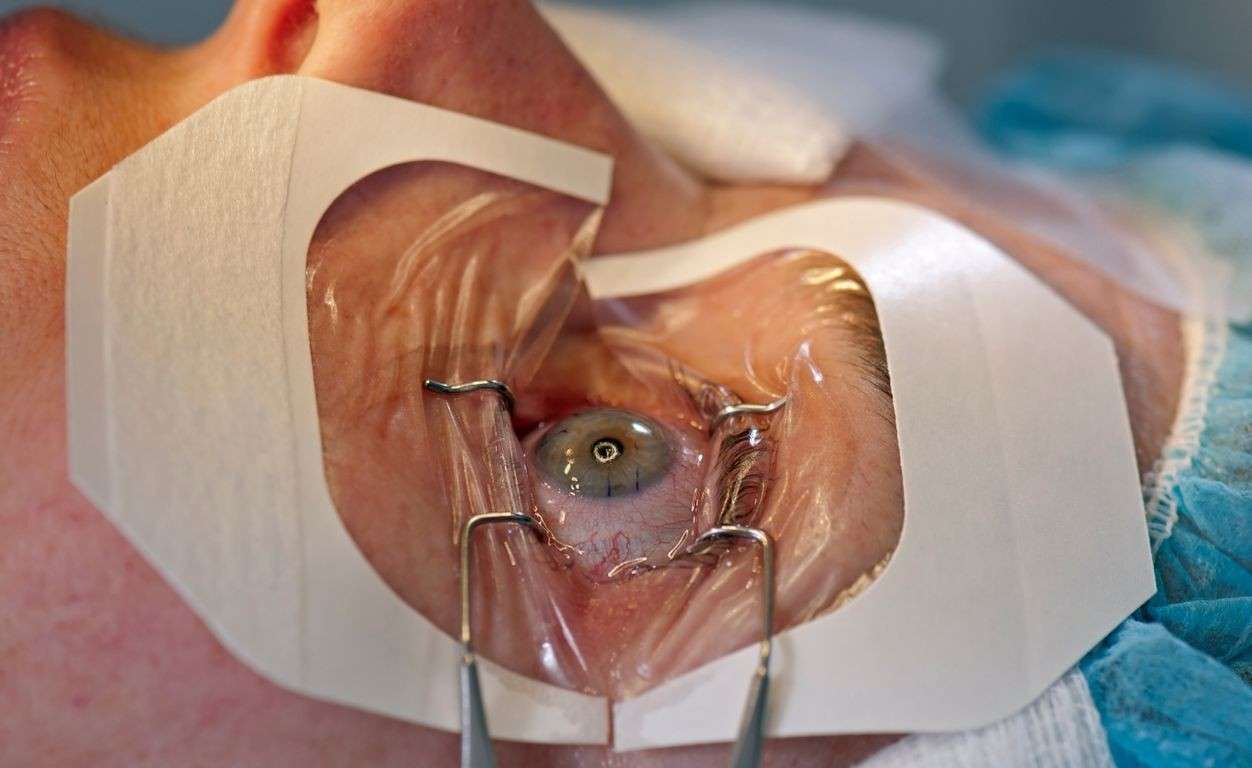
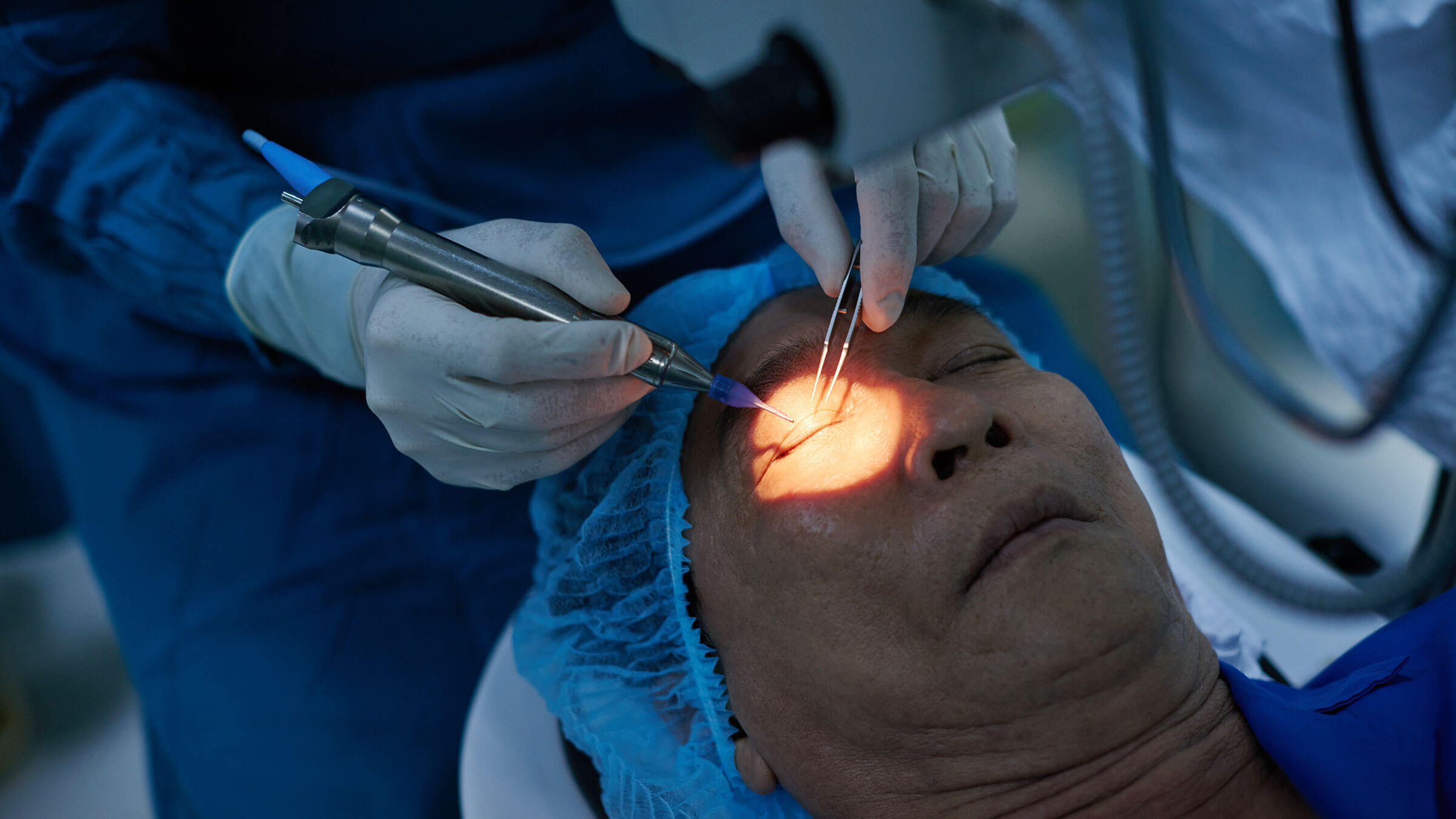
Laser eye surgery is far quicker and more comfortable than most patients expect.
On the day:
- The procedure usually takes 10–15 minutes per eye
- Anaesthetic eye drops are used — no needles
- You remain awake but comfortable
- Vision may be blurry immediately after, which is normal
Most patients are surprised by how fast the procedure feels and how little discomfort they experience.
After Laser Eye Surgery: Recovery and Healing
Recovery varies depending on the procedure.
LASIK and SMILE:
- Faster visual recovery
- Many patients return to work within 1–2 days
PRK:
- Slower initial recovery
- Vision improves gradually over several weeks
Follow-up appointments ensure healing is progressing well and vision is stabilising as expected.
Factors That Affect Laser Eye Surgery Cost
Laser eye surgery pricing isn’t one-size-fits-all.
Key cost factors include:
- Technology: Newer laser systems offer higher precision
- Surgeon experience: Specialist refractive surgeons may charge more
- Clinic location: Major city clinics may have higher overheads
- Eye condition: High prescriptions or irregular corneas require customised care
Higher cost often reflects safety, experience, and personalised treatment rather than profit alone.
Cheap vs Premium Clinics: Understanding the Difference
Lower-cost clinics may focus on high patient volume with standardised treatments. Premium clinics typically offer:
- More advanced diagnostic testing
- Individualised treatment planning
- Longer consultation times
- Comprehensive aftercare and enhancement cover
Laser eye surgery is a medical procedure, not a commodity — quality matters.
Is Laser Eye Surgery Worth the Cost?
When compared to glasses and contact lenses, many Australians find laser eye surgery financially worthwhile.
Over 10–20 years, expenses for:
- Glasses
- Contact lenses
- Solutions and replacements
often exceed the one-time cost of surgery. Beyond money, patients frequently report improved convenience, confidence, and lifestyle freedom.
Payment Plans, Medicare, and Private Health
Laser eye surgery is considered elective.
- Medicare: Does not cover the procedure
- Private health insurance: May cover some testing but rarely surgery
- Payment plans: Many clinics offer interest-free instalments
Flexible payment options make treatment accessible without compromising quality.
Safety, Outcomes, and Long-Term Value
Australia has strict medical standards for laser eye surgery. With modern technology and proper screening:
- Complication rates are low
- Most patients achieve 20/20 vision or better
- Satisfaction rates remain consistently high
Long-term studies show stable vision and lasting benefits for suitable candidates.
Who Is — and Isn’t — a Suitable Candidate?
You may be suitable if you:
- Are over 18 with stable vision
- Have healthy eyes and corneas
- Are not pregnant or breastfeeding
You may not be suitable if you:
- Have advanced eye disease
- Experience severe untreated dry eye
- Have unstable prescriptions
A thorough consultation is essential to determine safety and suitability.
FAQs: Laser Eye Surgery Costs in Australia
1. Why is laser eye surgery more expensive upfront than glasses?
Laser eye surgery has a higher upfront cost because it includes advanced diagnostics, specialised surgical expertise, and long-term correction. While glasses seem cheaper initially, their cumulative cost over many years often exceeds the one-time investment in surgery.
2. Are follow-up appointments included in most Australian clinics?
Yes, reputable clinics usually include follow-up visits in the total cost. These appointments are essential to monitor healing and vision stability. Always confirm the number of follow-ups included, as some lower-cost clinics may charge separately.
3. Can laser eye surgery costs increase after the consultation?
They can. Advertised prices often apply to simple prescriptions. If scans show complex vision needs or thinner corneas, a customised treatment plan may be recommended, which can increase the final quoted cost for safety reasons.
4. Do payment plans increase the total cost of surgery?
Many clinics offer interest-free payment plans that don’t increase the total price if payments are made on time. However, longer-term finance options may involve fees, so it’s important to review terms carefully before proceeding.
5. Is choosing a higher-priced clinic safer?
Higher-priced clinics often invest in newer technology, experienced surgeons, and thorough aftercare. While price alone doesn’t guarantee outcomes, investing in quality assessment and care generally reduces risk and improves overall patient experience.