What are the main types of CPAP masks?
Most masks fall into three categories: nasal pillows, nasal masks, and full face masks. Each type changes how air is delivered and how much of the face is covered, which affects comfort, leaks, and pressure tolerance.
Picking the “best” type is less about the brand and more about breathing habits, sleep position, facial structure, and sensitivity points.
Who should use nasal pillow masks?
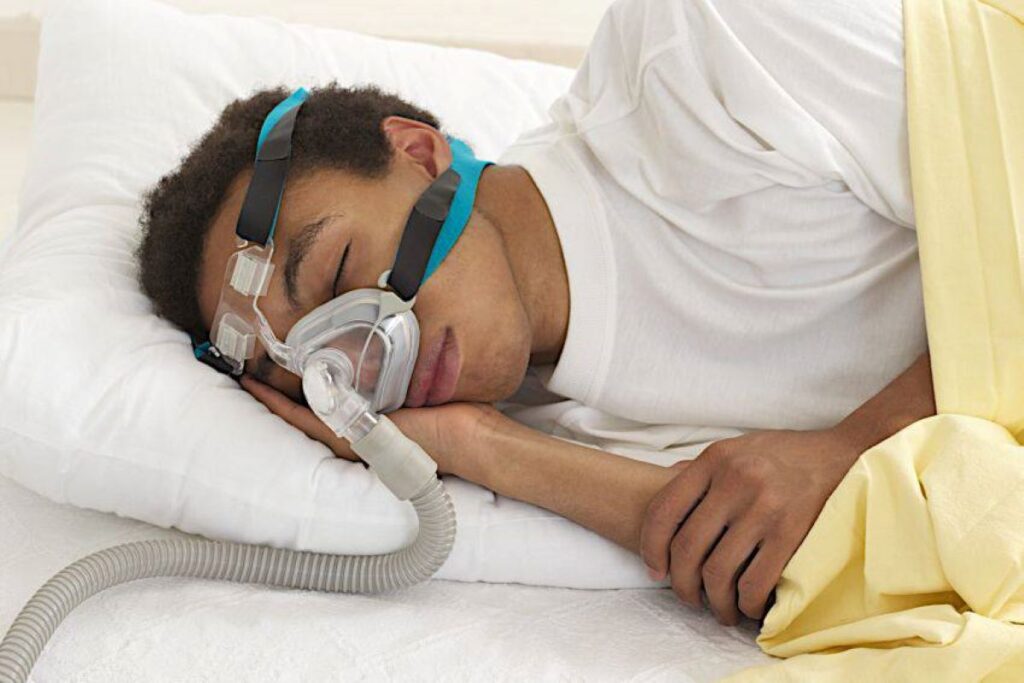
CPAP masks like nasal pillows seal at the nostrils with two soft cones or cushions. They are usually the lightest option and often feel less claustrophobic because they leave most of the face open.
These CPAP masks tend to work well for people who sleep on their side, wear glasses at night, or want minimal contact. They can be less comfortable for those who need very high pressures or have frequent nasal blockage.
Who should use nasal masks?
Nasal masks cover the nose from bridge to upper lip area and seal around it. They balance stability and openness, and many people find them easier to keep sealed than nasal pillows.
They often suit moderate to higher pressures and active sleepers who change positions. They can be tricky for those with sensitive nasal bridges or frequent mouth breathing unless paired with strategies to keep the mouth closed.
Who should use full face masks?
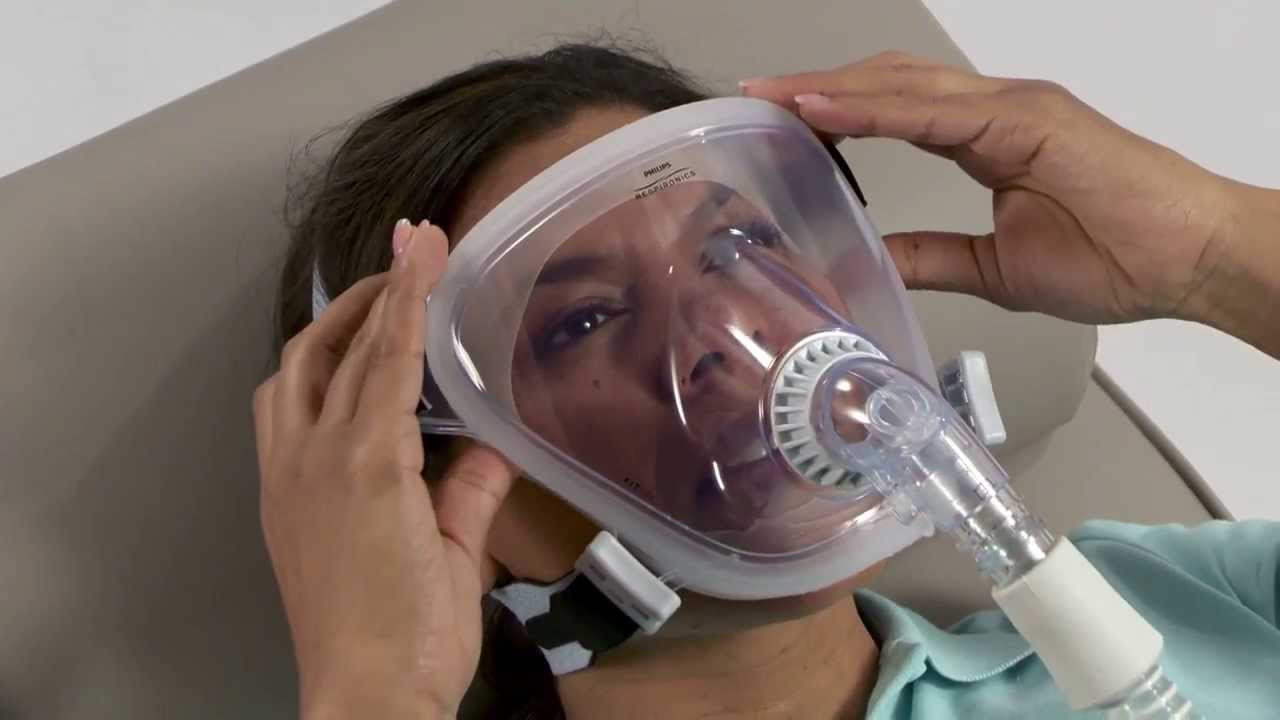
Full face masks cover both the nose and mouth, sealing around a larger facial area. They are commonly chosen for people who breathe through their mouth, have chronic nasal congestion, or cannot keep the mouth closed during sleep.
They can feel bulkier and may leak more if the cushion is not well matched to the face. However, when fit is right, they can be the most reliable option for consistent therapy in mouth breathers.
How should they choose a CPAP mask type for their sleeping style?
Side sleepers often do best with smaller profiles like nasal pillows or compact nasal masks because the pillow can push on the cushion and create leaks. Back sleepers can usually tolerate any type, including larger full face designs.
Stomach sleeping is the hardest with CPAP, so low-profile masks with flexible tubing connections usually work best. If they toss and turn, a mask with a stable frame and a swivel connection can reduce pulling and seal breaks.
What makes a CPAP mask fit “right”?
A good fit means the cushion seals with minimal strap tension and stays sealed across normal sleep movement. The mask should feel stable but not tight, and it should not leave deep marks or cause pain points.
Most leaks come from overtightening, wrong cushion size, or the mask sitting too high or too low. The goal is a “floating” seal where the cushion inflates slightly with airflow.
How can they size a mask correctly at home?
They should use the manufacturer’s sizing template when available, since sizing varies by brand and model. The cushion should match the width of the nose (or the mouth and nose for full face) without riding into the eyes or sitting on the lips.
If they are between sizes, many do better sizing up for full face masks to reduce pressure points, and sizing down for nasal pillows to avoid nostril stretching. When possible, trying multiple cushion sizes with the same frame can save money.
How tight should CPAP mask straps be?
Straps should be just tight enough to prevent obvious leaking during normal breathing at therapy pressure. If they need to crank the straps down to stop leaks, the cushion is usually the wrong size or the mask is positioned poorly.
Overtightening can collapse the cushion seal and create more leaks, plus it increases skin irritation. A quick check is whether they can slide two fingers under most straps without forcing it.
How can they stop CPAP mask leaks without overtightening?
They should start by reseating the mask with the machine running at full pressure, since seals behave differently under airflow. Then they can gently lift the cushion away from the face and set it back to let it inflate evenly.
If leaks happen near the eyes, the mask may be too high, too large, or the forehead support needs adjustment. If leaks happen at the mouth corners on a full face mask, they may need a different cushion shape, a softer setting on the headgear, or a CPAP pillow that reduces side pressure.
What comfort tips help with dry nose, dry mouth, and congestion?
Heated humidification helps many people, especially in dry climates or during winter. If dryness continues, a heated tube can prevent condensation while allowing higher humidity.
For dry mouth, they may be mouth breathing or leaking through the lips even with a nasal mask. They can consider a chin strap, a soft cervical collar, or switching to a full face mask. For congestion, saline rinse before bed and consistent filter changes often help more than constantly changing pressure settings.
Other Resources : Heated humidifiers (invasive and continuous ventilation)
How can they reduce skin irritation, red marks, and soreness?
They should first check strap tension and sizing, since pressure points usually signal overtightening or the wrong cushion. Mask liners or barrier tapes can reduce friction, especially on the nasal bridge.
Daily cleaning with mild soap and water removes oils that break down silicone and increase irritation. If they develop persistent sores, they should stop forcing that mask style and try a different cushion material or shape, since comfort problems rarely “toughen out” long term.
What can they do if the mask feels claustrophobic or triggers anxiety?
They can practice wearing the mask while awake for short periods, starting with no pressure and then adding airflow. This desensitization often makes night use feel less intense within a week.
A smaller mask type, like nasal pillows, can help if claustrophobia is driven by facial coverage. If anxiety is driven by airflow, using ramp settings or expiratory pressure relief can make breathing feel more natural while they adjust.
How often should they replace CPAP mask parts?
Most cushions soften and lose sealing ability over time, even with good cleaning. If leaks increase, the silicone looks cloudy, or the cushion feels tacky or stiff, replacement is usually due.
Headgear stretches and can cause creeping leaks that people try to fix by overtightening. Replacing worn headgear can restore comfort quickly. Replacement timelines vary by use, cleaning, and skin oils, so they should track changes in leak rate and comfort rather than relying only on the calendar.
What quick checklist can they use to troubleshoot a bad night?
They should check four things in order: cushion cleanliness, cushion position, strap tension, and whether the mask style matches their breathing. A dirty cushion can leak even if everything else is perfect.
If problems persist for more than a week, they should consider trying a different cushion size or mask type instead of endlessly adjusting straps. Consistent comfort is the real goal, because the best CPAP mask is the one they can wear all night.
More to Read : How Much Is a CPAP Machine and What Affects the Price?
FAQs (Frequently Asked Questions)
What are the main types of CPAP masks and how do they differ?
The main CPAP mask types are nasal pillows, nasal masks, and full face masks. Nasal pillows seal at the nostrils with soft cushions and are lightweight, ideal for side sleepers or those wanting minimal contact. Nasal masks cover the nose from bridge to upper lip, balancing stability and openness, suitable for moderate to high pressures. Full face masks cover both nose and mouth, best for mouth breathers or those with chronic nasal congestion.
How do I choose the right CPAP mask type based on my sleeping style?
Side sleepers often benefit from smaller profile masks like nasal pillows or compact nasal masks to avoid leaks caused by pillow pressure. Back sleepers can usually use any mask type including full face masks. Stomach sleepers should opt for low-profile masks with flexible tubing connections. Active sleepers who toss and turn may prefer masks with stable frames and swivel connections to reduce pulling and leaks.
What makes a CPAP mask fit correctly?
A proper CPAP mask fit means the cushion seals effectively with minimal strap tension and remains sealed during normal sleep movements. The mask should feel stable without being tight or causing pain points or deep marks. Most leaks occur due to overtightening, wrong cushion size, or improper mask positioning. The goal is a ‘floating’ seal where the cushion slightly inflates with airflow.
How can I size my CPAP mask correctly at home?
Use the manufacturer’s sizing template when available since sizing varies by brand and model. The cushion should match your nose’s width (or mouth and nose for full face masks) without riding into your eyes or sitting on your lips. If between sizes, it’s often better to size up for full face masks to reduce pressure points, and size down for nasal pillows to avoid nostril stretching. Trying multiple cushion sizes with the same frame can help find the best fit.
What are effective ways to stop CPAP mask leaks without overtightening straps?
Start by reseating the mask while the machine runs at full pressure as seals behave differently under airflow. Gently lift and reset the cushion to let it inflate evenly. Leaks near the eyes may indicate a mask that’s too high, too large, or requires forehead support adjustment. Leaks at mouth corners on a full face mask might need a different cushion shape, softer headgear settings, or using a CPAP pillow to reduce side pressure.
How can I improve comfort related to dry nose, dry mouth, congestion, and skin irritation from CPAP therapy?
Using heated humidification helps prevent dryness especially in dry climates or winter. Heated tubes can prevent condensation while allowing higher humidity levels. For dry mouth due to mouth breathing, consider chin straps, soft cervical collars, or switching to a full face mask. To reduce skin irritation and red marks, ensure proper strap tension and sizing; use mask liners or barrier tapes; clean masks daily with mild soap; and if sores persist try different cushion materials or shapes.