Members notice cleanliness quickly, especially in high-traffic gyms where sweat, dust, and shared touchpoints build up daily. A clear Gym Cleaning Sydney Members Notice helps set expectations, protects equipment, and keeps the space comfortable for everyone.
This Gym Cleaning Sydney Members Notice highlights seven problem areas that often get missed, plus what members can do to help between scheduled cleans.
What should a Gym Cleaning Sydney Members Notice achieve?
It should tell members what standards they can expect and what behaviour is required to keep the gym hygienic. A Gym Cleaning Sydney Members Notice also reduces complaints by explaining the cleaning schedule, priority zones, and how to report issues quickly.
It works best when it is simple, visible, and consistent across the facility, from the front desk to the changing rooms.
Why do free weights and racks become a hygiene and safety issue?
They collect sweat, chalk, skin oils, and floor dust, and they are handled constantly throughout the day. When grips and rack contact points are left uncleaned, they can feel sticky, smell unpleasant, and become slippery.
A Gym Cleaning Sydney Members Notice should remind members to wipe down barbells, dumbbells, kettlebells, and rack J-hooks after use, and to re-rack gear so cleaners can reach surfaces properly.
How do cardio machines turn into the most contaminated touchpoints?
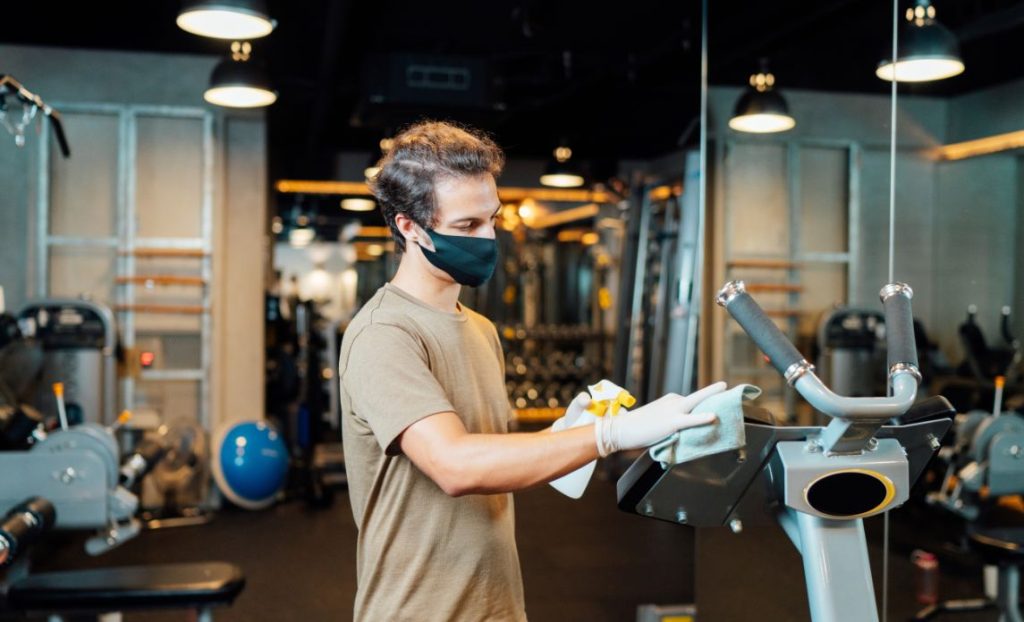
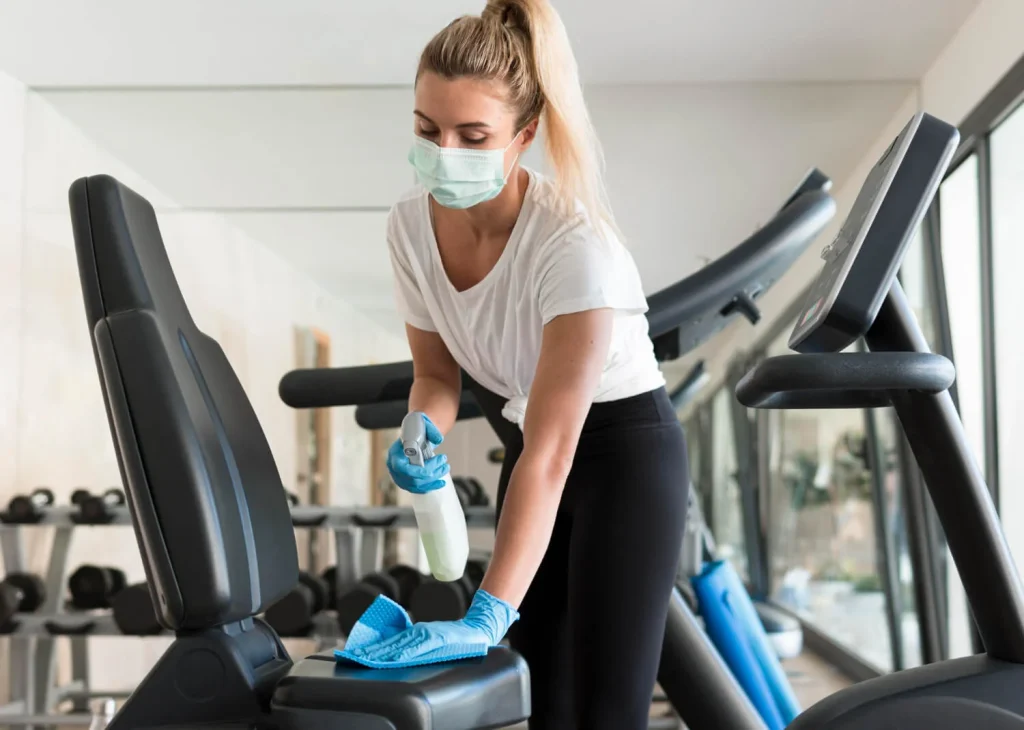
Cardio equipment concentrates hand contact in a few places: handles, console buttons, touchscreens, cup holders, and heart-rate sensors. These spots can carry sweat and germs for hours if they are not disinfected frequently.
A Gym Cleaning Sydney Members Notice can ask members to wipe the console and grips before and after use, and to flag any machine with visible grime so staff can sanitise it straight away.
Why are functional training areas often the messiest zone?
Turf lanes, sleds, battle ropes, medicine balls, mats, and resistance bands tend to move around and get used on the floor. That creates a mix of dirt transfer and sweat absorption, especially on mats and soft-touch gear.
A Gym Cleaning Sydney Members Notice should encourage members to return items to their storage points, avoid leaving damp mats on the floor, and use spray and wipes on shared gear after each set.
What makes changing rooms and lockers a recurring problem?
Changing rooms combine moisture, skin contact, and enclosed spaces, which can lead to odours and bacteria growth. Benches, locker handles, hairdryers, and taps are touched repeatedly, while wet floors increase slip risk.
A Gym Cleaning Sydney Members Notice can set clear rules for members: take belongings home, avoid leaving used towels, place rubbish in bins, and report blocked drains or leaks before they become bigger issues.
How can showers and toilets fall below standard even with daily cleaning?
Humidity and constant use mean soap scum, grime lines, mould spots, and unpleasant smells can return quickly. High-touch points such as door locks, flush buttons, and taps also need regular disinfection during peak hours.
A Gym Cleaning Sydney Members Notice should reassure members that deep cleaning is scheduled, while also asking them to keep spaces tidy, use provided squeegees where available, and notify staff if supplies run out.
Why do floors and corners get ignored until they look dirty?
Floors show wear quickly, but corners, skirting lines, and under-equipment zones often collect dust bunnies and grit long before anyone notices. That buildup can affect air quality and create a constant “stale gym” smell.
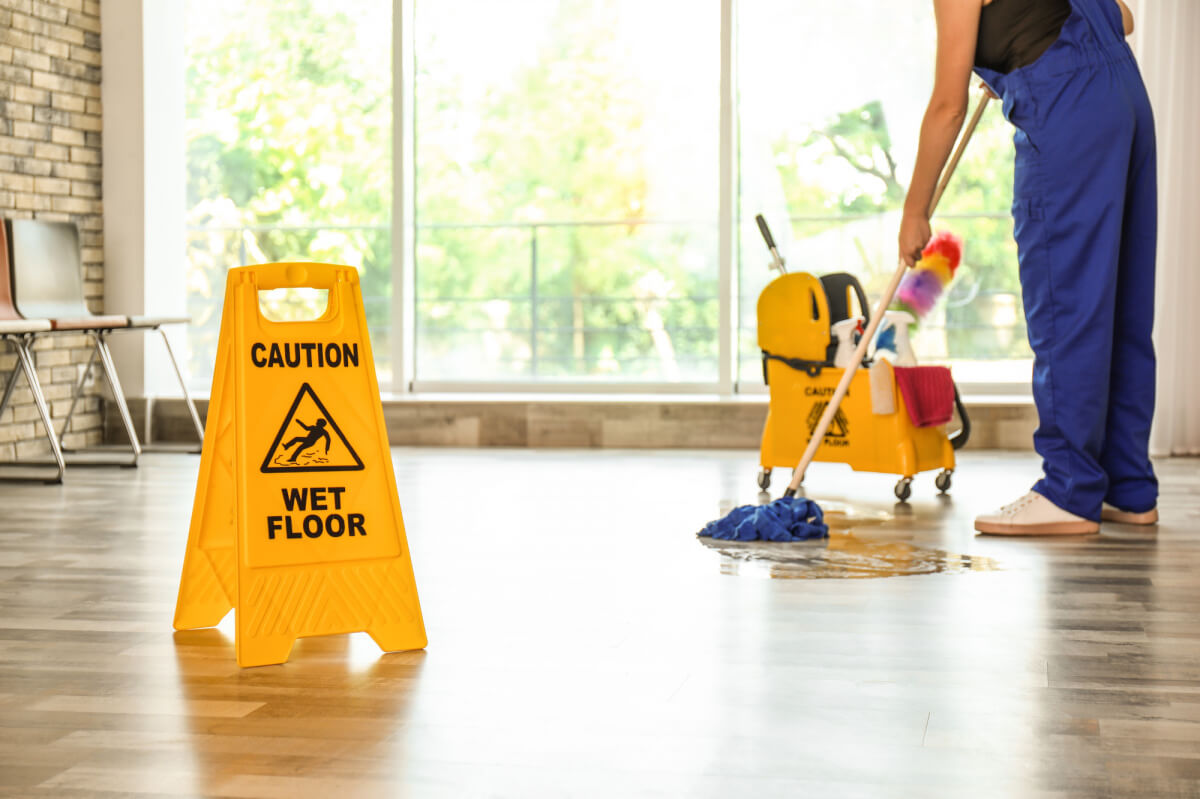
A Gym Cleaning Sydney Members Notice can explain that cleaners need clear access, so members should avoid leaving bottles, towels, plates, or bands on the ground where they block proper vacuuming and mopping.
What problems build up around bins, bottles, and shared amenities?
Overflowing bins, loose wipes, and half-empty spray bottles can undo good cleaning in a few hours. Shared amenities like water fountains, refill taps, vending buttons, and café counters also become touchpoint hotspots.
A Gym Cleaning Sydney Members Notice should ask members to bin wipes correctly, tell staff when a station is empty, and avoid placing used towels or personal items on shared counters.
How should members report issues without slowing staff down?
They should have one quick method that works every time, such as telling reception, speaking to floor staff, or scanning a QR code that logs the issue. Clear reporting prevents small messes turning into complaints or health risks.
A Gym Cleaning Sydney Members Notice should include simple examples, like reporting a spill near the squat racks, a blocked shower drain, an empty wipes station, or a bad smell in a toilet cubicle.
What can a gym do to keep standards consistent across the week?
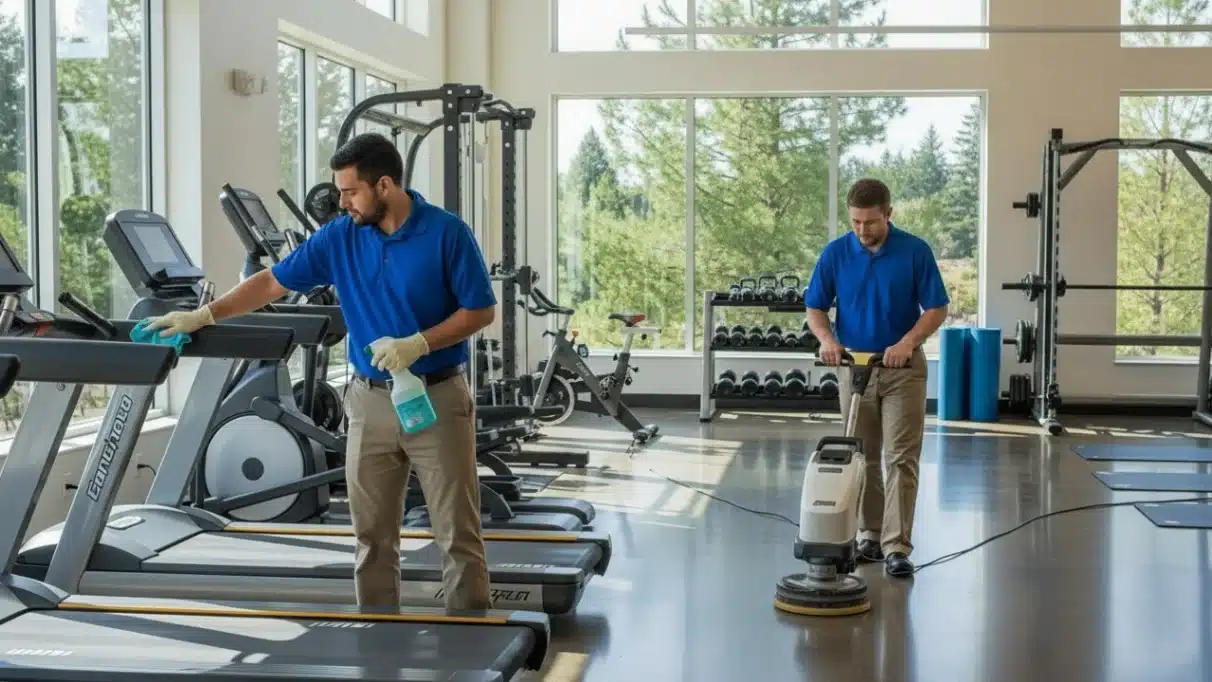
They can match cleaning intensity to foot traffic, not just the calendar. Peak-time touchpoint wipes, nightly resets, and scheduled deep cleans for grout, vents, and under-machine zones help prevent gradual decline.
A Gym Cleaning Sydney Members Notice is most effective when it is supported by visible routines, stocked hygiene stations, and staff walk-throughs that catch problems early. For best results, they should update the Gym Cleaning Sydney Members Notice when layouts change, new equipment arrives, or peak hours shift.
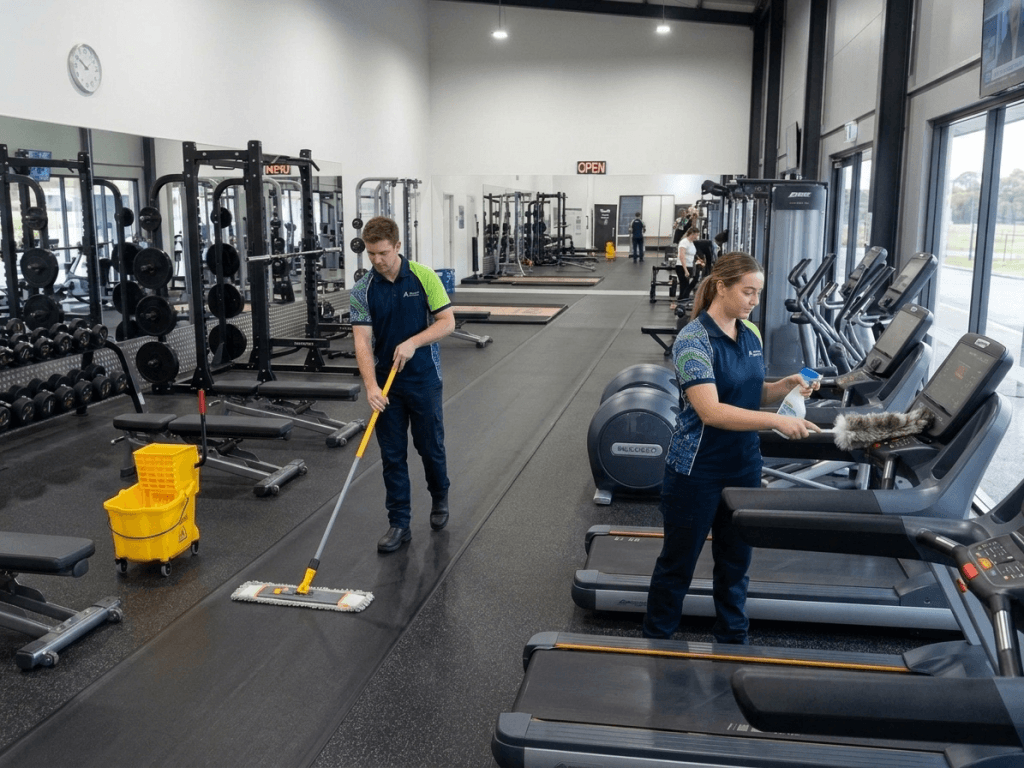
What is the simplest takeaway for members reading this notice?
If members wipe what they touch, re-rack what they use, and report what looks off, the gym stays cleaner for everyone. A Gym Cleaning Sydney Members Notice is not just signage; it is a shared agreement that keeps training spaces safe, welcoming, and worth the membership.
FAQs (Frequently Asked Questions)
What is the purpose of a Gym Cleaning Sydney Members Notice?
A Gym Cleaning Sydney Members Notice sets clear expectations for cleanliness standards, outlines required member behaviours to maintain hygiene, explains the cleaning schedule and priority zones, and provides guidance on how to report issues promptly. This transparency helps protect equipment, keeps the gym comfortable for all, and reduces complaints.
Why is it important for members to wipe down free weights and racks after use?
Free weights and racks accumulate sweat, chalk, skin oils, and dust throughout the day. If not cleaned regularly, grips and contact points can become sticky, unpleasant-smelling, and slippery, posing hygiene and safety risks. Members wiping down barbells, dumbbells, kettlebells, and rack J-hooks after use ensures cleaner equipment and allows cleaners better access.
How do cardio machines become highly contaminated touchpoints in gyms?
Cardio machines concentrate hand contact on handles, console buttons, touchscreens, cup holders, and heart-rate sensors. These areas can harbour sweat and germs for hours if not disinfected frequently. Members are encouraged to wipe these surfaces before and after use and report any visible grime so staff can sanitise promptly.
What makes functional training areas particularly messy and how can members help?
Functional training zones involve equipment like turf lanes, sleds, battle ropes, medicine balls, mats, and resistance bands that often move around and come into contact with floors. This results in dirt transfer and sweat absorption. Members should return items to storage points, avoid leaving damp mats on the floor, and use sprays or wipes on shared gear after each set to maintain cleanliness.
Why do changing rooms and lockers require special attention in gym cleaning?
Changing rooms combine moisture with frequent skin contact in enclosed spaces leading to odours and bacteria growth. High-touch surfaces include benches, locker handles, hairdryers, taps; wet floors increase slip hazards. Clear member rules such as taking belongings home daily, avoiding leaving used towels behind, disposing of rubbish properly, and reporting leaks help maintain hygiene.
How can members contribute to maintaining cleanliness in showers and toilets despite daily cleaning routines?
Due to humidity and constant usage, soap scum, mould spots, grime lines, and odours can quickly reappear in showers and toilets. High-touch points like door locks, flush buttons, taps need regular disinfection during peak times. Members can assist by keeping areas tidy, using provided squeegees where available, notifying staff when supplies run low or issues arise to ensure prompt attention.
Related: Commercial Cleaning Newcastle Businesses Book Year Round